The National Museum of the American Indian is an extraordinarily beautiful and grand building, located at the southern tip of Manhattan. I visited on an extremely windy day, and I could almost feel the water from New York Bay hitting my face as I walked towards the museum.
Coming from Sweden, I know very little about how Indigenous people lived in the past and how they continue to live today. This made me especially excited to learn more, particularly since I now live in New York. I knew the building would hold countless stories, artifacts, and artworks. All things, I was certain I would learn a lot from and carry with me after my visit.
I was especially drawn to the Infinity of Nations exhibition, the museum’s permanent collection, which showcases Native art and objects from Indigenous nations across North, Central, and South America. This room stood out to me because of the incredible craftsmanship behind every object and garment on display. The level of detail, care, and skill was incredible, and I felt like I could stand there and look at the pieces forever, finding new details the longer I looked.
For example, this Ute shirt from Colorado or Utah (ca. 1870s–1880s) shows incredible skill. When I read about it, I was struck by the fact that the Utes (who wore garments like this) were among the first horse cultures in the West. The shirt itself reflects that history: once the Utes gained horses, they came into closer contact with Plains tribes, especially the Lakota, and began adopting and adapting their styles. So the resemblance to Lakota beadwork comes from exchanges of materials, techniques, and ideas. I found it so interesting that a single shirt can reveal this whole story of cultural interaction between cultures.

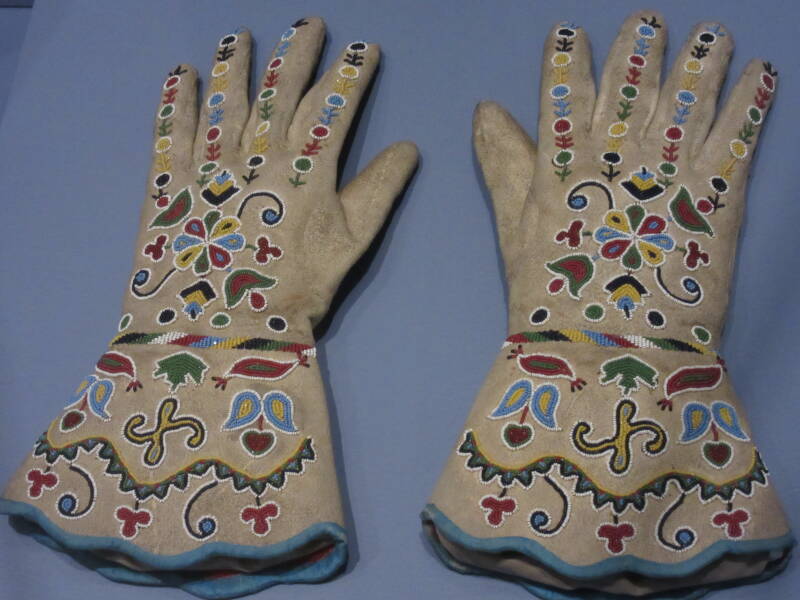
These Siouxtonwan Dakota gauntlet gloves (ca. 1880, Pine Ridge Reservation, South Dakota) reminded me of historical Swedish craftsmanship, especially embroidered leather gloves made in places like Dalarna. In Sweden, these gloves (called broderade läderhandskar in Swedish or just “Dala leather gloves”) also showcase large, colorful stitching on leather. It was beautiful to see something practical turned into something decorative, almost like an artwork.
The Dakota beadwork with its floral motifs and fine detail therefore felt familiar. Even though these cultures are very different, both cultures treat gloves as more than clothing. Here, instead they become objects of identity, care, and artistry. I loved noticing how two places so far apart could share this same care to embellish everyday things.
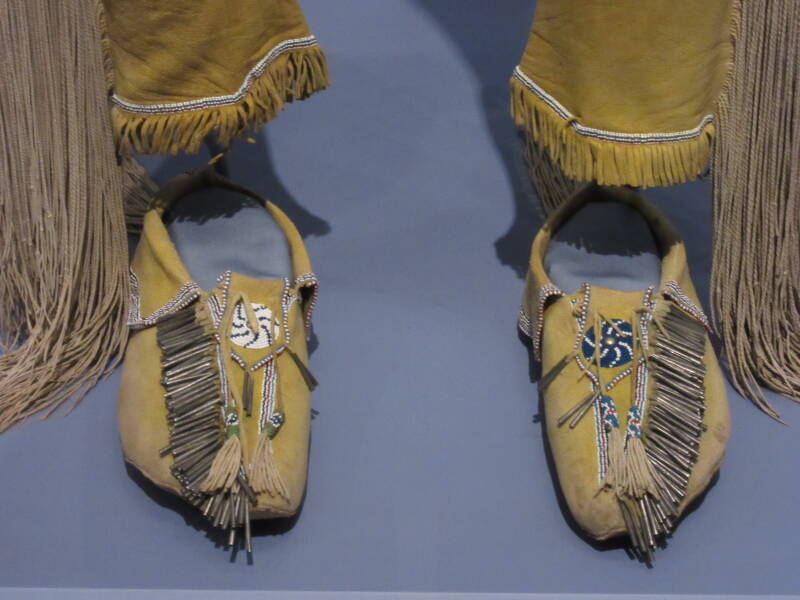
Lastly, these Comanche leggings and moccasins (Oklahoma, ca. 1890) immediately caught my eye because of how beautifully made they are. I learned that the Comanches were known for creating some of the finest deer-hide clothing on the Plains. The fringes almost look like fabric, and I would have never known that the piece was made from deer hide if I hadn’t read about it. Everything about these pieces felt very well thought out.
I think I was drawn to these pieces because they were both functional and expressive. They stood out. The color, the detail. Everything. They showed a level of care and attention that I really admire.

Add comment
Comments